
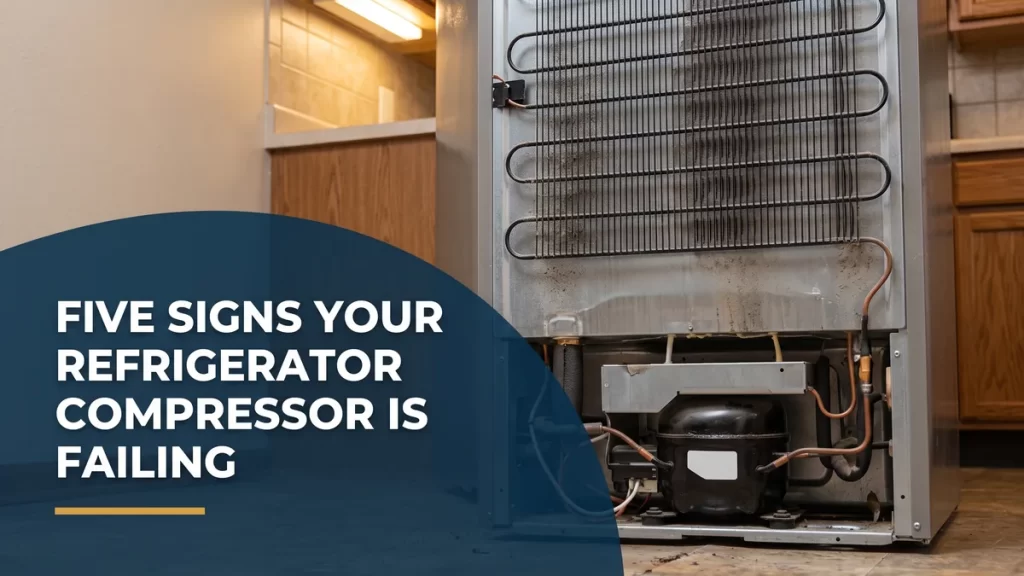
Recognizing the key signs that your refrigerator compressor is failing is critical, because the compressor is the primary pump that keeps your entire appliance cool. If your food is going soft while the motor hums louder than usual, catch the problem early by learning the warning signs before a slow decline turns into spoiled groceries. If you need immediate assistance, our team offers professional refrigerator repair services in Hamilton.
A weak or malfunctioning unit almost always gives early warning signals. Learn to identify the core signs refrigerator compressor failing behaviors so you can resolve the issue before needing a full appliance replacement.
What a failing compressor really means
The compressor is the heart of your refrigerator. It sits in the sealed refrigerant loop at the back of the cabinet and pumps refrigerant through the coils, pulling heat out of the fresh-food and freezer compartments. When it weakens, the entire cooling cycle loses pressure and your fridge cannot maintain temperature, no matter how low you set the thermostat.
A worn door gasket or a dirty coil is a simple fix. However, a compressor fault involves a pressurized, sealed electrical system that requires professional service. Spotting the issue early is the difference between a simple part replacement and buying a brand-new appliance.

Five signs your refrigerator compressor is failing
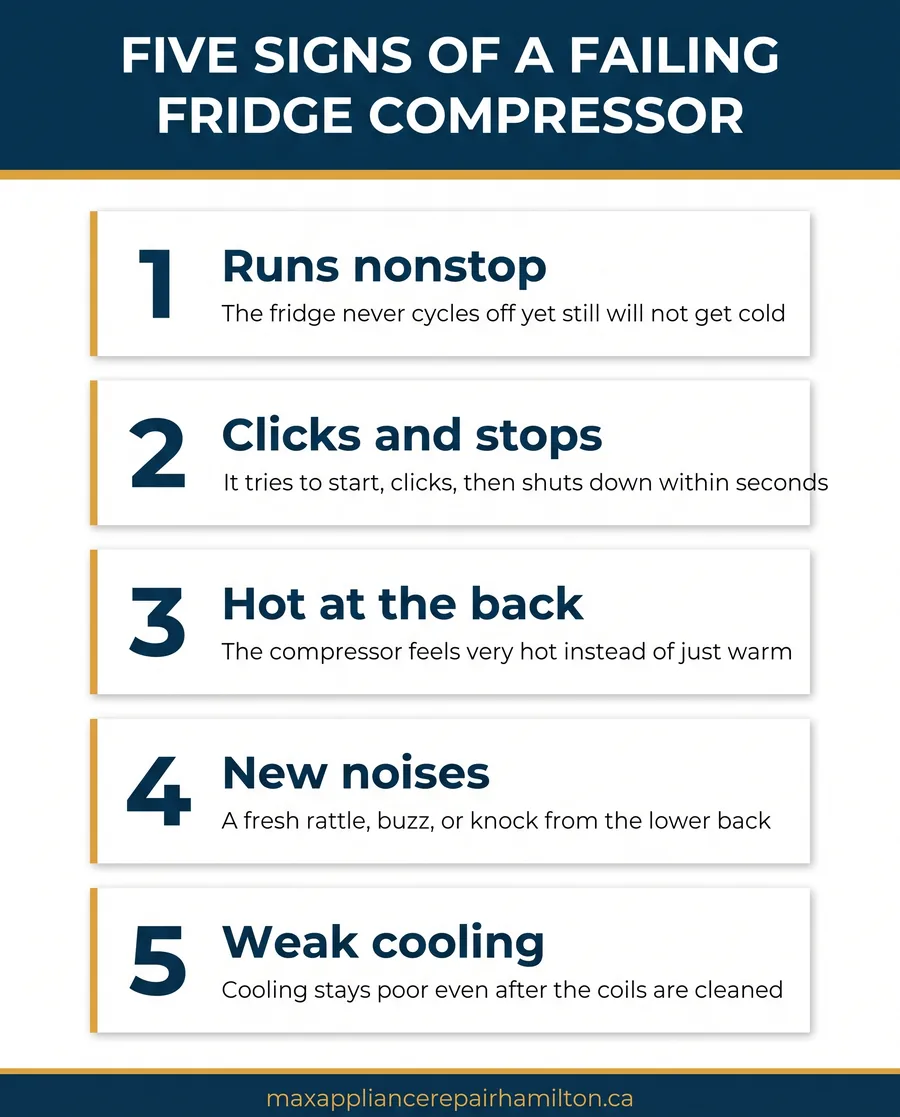
While an isolated symptom could indicate a minor component issue, noticing multiple signs refrigerator compressor failing warnings means the core pump requires immediate professional attention:
- Continuous operation without cooling: A functional compressor cycles on and off. Running constantly while interior temperatures remain warm indicates the unit cannot build proper pressure.
- Frequent clicking and tripping: A repeated click-hum-click cycle every few minutes points to an overheating motor or a failing start relay tripping the overload protector.
- Excessive heat behind the unit: Slight warmth is normal, but an overheating compressor combined with loss of cooling signifies excessive motor strain.
- Loud knocking, rattling, or buzzing: New metallic noises or knocking sounds indicate worn internal components or broken internal mounts inside the sealed system.
- Persistent cooling failure after routine maintenance: If cooling drops despite clean condenser coils and intact door gaskets, the fault lies within the sealed compressor unit.
Did you know?
Most cooling issues are not caused by a dead compressor. Dirty condenser coils, a failed evaporator fan, a faulty start relay, or a defrost malfunction produce similar symptoms to common signs refrigerator compressor failing indicators and are far less expensive to fix. A proper diagnosis ensures you only pay for what actually needs repair.
Repair or replace: what a compressor costs
Deciding between repair and replacement depends on the appliances’ age and the specific part failure. Small electrical parts are inexpensive to swap, whereas sealed compressor replacements represent a larger investment.
| Your situation | Typical repair range | The usually smart move |
|---|---|---|
| Start relay or capacitor, fridge under 8 years | $150 to $400 | Repair (small part replacement) |
| Sealed-system compressor, fridge 8 to 12 years | $500 to $1,000+ | Get a quote; compare with replacement cost |
| Failed compressor, fridge over 12 years | Often near new-fridge cost | Replace the refrigerator |
| Premium or built-in unit (Sub-Zero, Viking, etc.) | Varies widely | Repair is often worth it |
| Cooling issue unrelated to compressor | $150 to $450 | Repair immediately |
What to do the moment you suspect trouble
- Document symptoms: Note whether the unit clicks, runs constantly, makes unusual noises, or fails to hold temperature.
- Perform basic checks: Ensure the power cord is secure, the breaker hasn’t tripped, thermostat controls weren’t altered, and door seals are airtight.
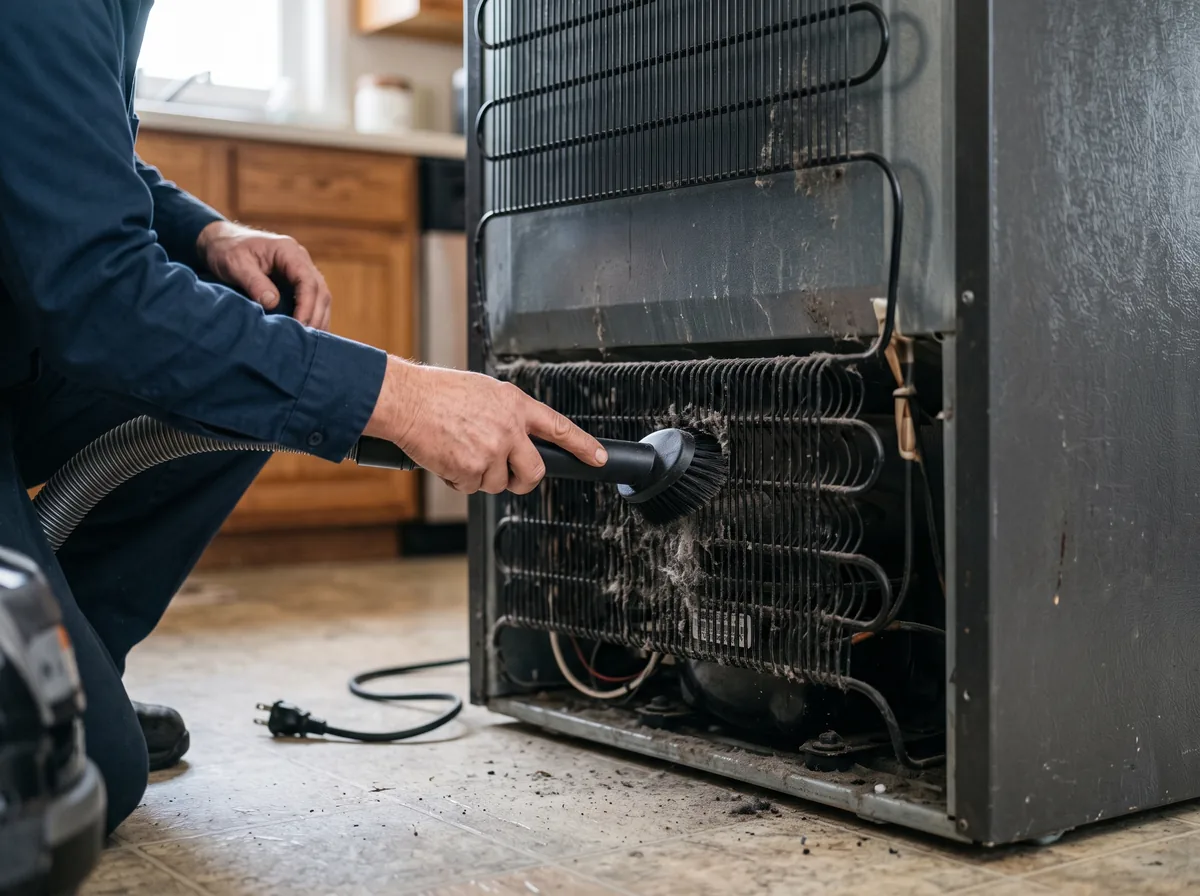
- Clean condenser coils: Unplug the unit and vacuum accumulated dust from the coils underneath or behind the fridge. Poor airflow is a primary cause of overheating.
- Ensure proper ventilation: Move the refrigerator a few inches away from the wall to allow hot air to disperse.
- Schedule professional inspection: If the unit still fails to cool or continues clicking, contact a qualified technician to test the sealed system.
Pro tip
Keep a handy guide on key signs refrigerator compressor failing indicators nearby when evaluating your unit. Clear the area around your appliance before a service visit so technicians can quickly inspect the rear components, saving time and labor costs.
Download the free quick guide
A simple one-page checklist to evaluate whether your refrigerator requires repair or replacement.
Frequently Asked Questions
Max Appliance Repair Hamilton provides professional diagnostic and repair services across Hamilton, Stoney Creek, Ancaster, and Dundas. If your appliance is losing cooling power, book a repair visit with our Hamilton technicians for an accurate diagnostic recommendation.
